


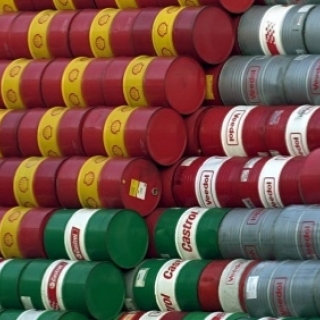
Global oil prices are still trending lower and are now heading for their longest monthly decline in more than two years. West Texas Intermediate (WTI) is hovering around $59 per barrel, slightly above Wednesday's close before the Thanksgiving holiday in the US, while Brent is holding above $63 per barrel. The US oil benchmark is already on track for its fourth consecutive monthly decline in November, the longest since the first quarter of 2023. This price pressure reflects market concerns about demand and future supply policies.
Meanwhile, market participants' attention is also focused on this weekend's OPEC+ meeting, which will be held virtually on Sunday. Several delegates have indicated that the oil producer group is likely to stick to its plan to delay production increases in early 2026. With the main decisions more or less in the cards, the meeting's focus is expected to shift to discussing each member's long-term capacity, including how much oil they can and are willing to pump to the market in the coming years.
Geopolitical factors are also influencing price sentiment. Russian President Vladimir Putin stated that US President Donald Trump's proposal to end the war in Ukraine could form the basis for a future peace agreement, suggesting there is room for negotiations. Meanwhile, Washington continues to push for an end to the conflict, with US Presidential envoy Steve Witkoff scheduled to visit Moscow next week. For the oil market, any sign of a potential de-escalation in the Ukraine conflict could mean a reduced risk of supply disruptions, ultimately curbing oil price gains. (az)
Source: Newsmaker.id
Oil prices stabilized on Thursday (February 12th), as the market reassigned a risk premium to US-Iran tensions despite US inventory data showing swelling domestic supplies. This movement confirms one ...
Oil prices rose on Wednesday (February 11th), supported by a combination of geopolitical risk premiums from US-Iran tensions and more solid Asian demand signals particularly from India which helped ea...
Oil remained in the green zone on Tuesday (February 10th), as the market refused to abandon the Middle East risk premium. As of 13:07 GMT (20:07 WIB), Brent rose +0.4% to $69.32/barrel, while WTI rose...
Oil prices fell about 1% on Monday as concerns about conflict in the Middle East eased slightly. The market calmed after the US and Iran agreed to resume talks on Tehran's nuclear program, reducing fe...
Oil prices moved slightly higher in a volatile session on Friday, as investors assessed the direction of nuclear negotiations between the United States and Iran. Price movements appeared sensitive to ...
Oil prices stabilized on Thursday (February 12th), as the market reassigned a risk premium to US-Iran tensions despite US inventory data showing swelling domestic supplies. This movement confirms one thing: geopolitical headlines are still more...
Gold prices weakened slightly on Thursday (February 12th), as more solid US employment data reduced market confidence in an imminent Federal Reserve interest rate cut. The strong employment data prompted market participants to shift expectations of...
The Hang Seng Index reversed its downward trend in Hong Kong on Thursday (February 12th), weakening by around 0.9% to around 27,000 after a strong session earlier. This decline halted the momentum of the short term rally, as investors began to...